

What is the weight of a portable lithium battery?
Leave a message

What is the Weight of a Portable Lithium Battery?
As a supplier of portable lithium batteries, I often encounter inquiries about the weight of these batteries. Understanding the weight of a portable lithium battery is crucial for various applications, from consumer electronics to industrial use. In this blog post, I'll delve into the factors that influence the weight of portable lithium batteries, compare different types, and discuss the implications of weight in real - world scenarios.
Factors Affecting the Weight of Portable Lithium Batteries
The weight of a portable lithium battery is determined by several key factors. First and foremost is the battery's capacity, which is typically measured in ampere - hours (Ah) or watt - hours (Wh). Generally, the higher the capacity of the battery, the more energy it can store, and this usually translates to a greater weight. For example, a small portable lithium battery with a capacity of 5Ah will be significantly lighter than a 20Ah battery of the same type.
The chemistry of the lithium battery also plays a vital role. There are different lithium - based chemistries, such as lithium - ion (Li - ion), lithium - polymer (Li - Po), and lithium - iron - phosphate (LiFePO4). Each chemistry has its own energy density, which is the amount of energy stored per unit volume or mass. Li - Po batteries, for instance, are known for their relatively high energy density, which means they can store more energy in a smaller and lighter package compared to some other chemistries. On the other hand, LiFePO4 batteries are heavier but offer better safety and a longer cycle life.
The design and construction of the battery also impact its weight. The casing material, internal wiring, and the presence of additional components like battery management systems (BMS) all contribute to the overall weight. A robust and well - protected battery with a high - quality casing will be heavier than a more basic design.
Comparing Weights of Different Portable Lithium Battery Types
Let's take a closer look at some common types of portable lithium batteries and their typical weights.
Consumer - Grade Portable Lithium - Ion Batteries
These are commonly used in smartphones, tablets, and laptops. A typical smartphone battery might have a capacity of around 3000 - 5000mAh. The weight of such a battery is usually in the range of 30 - 60 grams, depending on the specific design and capacity. Laptop batteries, with higher capacities ranging from 40 - 100Wh, can weigh anywhere from 300 grams to over a kilogram.
Portable Power Banks
Power banks are popular for charging mobile devices on the go. They come in various capacities, from small ones with 5000mAh to large ones with 20000mAh or more. A 10000mAh power bank typically weighs around 200 - 300 grams, while a 20000mAh power bank can weigh up to 500 grams or more. These weights can vary depending on the quality of the battery cells and the additional features of the power bank, such as multiple output ports and built - in charging cables.
Industrial - Grade Portable Lithium Batteries
In industrial applications, portable lithium batteries are used in equipment like forklifts, electric tools, and backup power systems. For example, a portable lithium - ion battery pack for an electric drill might have a capacity of 2 - 5Ah and weigh around 500 grams to 1 kilogram. Larger industrial battery systems, such as Rack Mounted Lithium Battery Packs, can have capacities in the hundreds of Ah and weigh several kilograms or even more, depending on the specific configuration.
Implications of Battery Weight in Real - World Applications
The weight of a portable lithium battery has significant implications for its usability and performance in different applications.
Mobility
In applications where mobility is key, such as in wearable devices or portable medical equipment, a lighter battery is highly desirable. A heavy battery can make the device cumbersome to carry and use. For example, a lightweight portable lithium battery in a smartwatch allows for comfortable all - day wear, while a heavy battery would make the watch uncomfortable and less practical.
Performance and Endurance
In some cases, a heavier battery might be necessary to achieve longer run - times. For example, in electric vehicles or long - range drones, a larger and heavier battery with a high capacity is required to provide sufficient power for extended operation. However, this also means that the vehicle or drone has to carry the extra weight, which can affect its overall efficiency and performance.

Safety
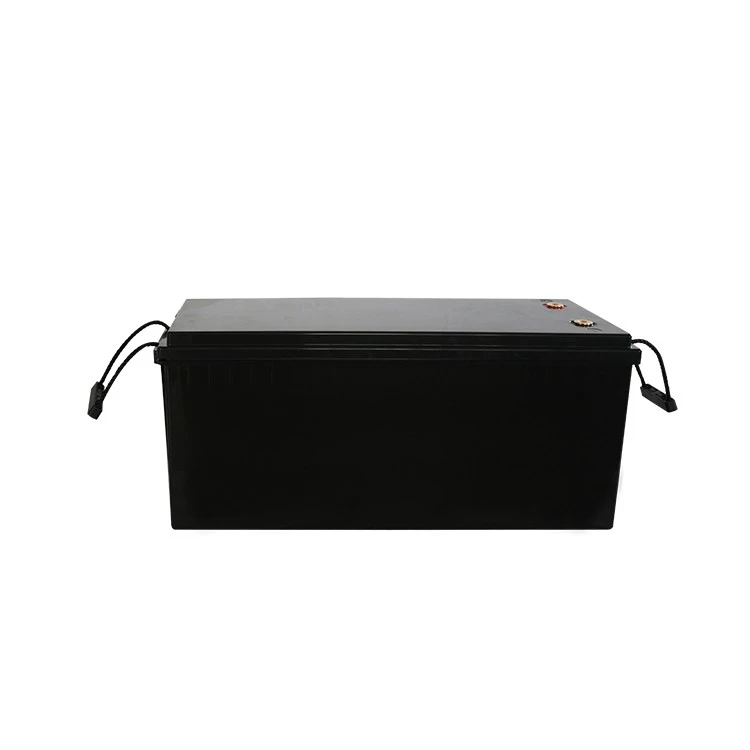
The weight of a battery can also be related to safety. Heavier batteries with better - designed casings and more robust internal components are often more resistant to damage and overheating. For example, Portable Lithium Ion Battery System with proper safety features and a heavier construction are less likely to experience thermal runaway or other safety issues.
How Our Company Addresses Battery Weight
As a supplier of portable lithium batteries, we understand the importance of balancing weight, capacity, and performance. We offer a wide range of Lithium Battery Portable Systems to meet the diverse needs of our customers.
For applications where weight is a critical factor, we provide high - energy - density Li - Po batteries that offer a good balance between capacity and weight. These batteries are ideal for consumer electronics and portable devices.
In industrial applications where safety and long - term performance are paramount, we offer LiFePO4 batteries. Although they are heavier, they provide reliable power and a long cycle life, reducing the need for frequent battery replacements.
We also focus on optimizing the design and construction of our batteries to minimize unnecessary weight. Our engineering team is constantly working on improving the efficiency of our battery management systems and using lightweight yet durable casing materials.
Conclusion
The weight of a portable lithium battery is a complex characteristic that is influenced by capacity, chemistry, design, and construction. Understanding the weight implications is essential for choosing the right battery for a specific application. Whether you need a lightweight battery for a portable device or a heavy - duty battery for an industrial application, we have the expertise and product range to meet your needs.
If you are interested in purchasing portable lithium batteries or have any questions about our products, we encourage you to contact us for a detailed discussion. Our team of experts is ready to assist you in finding the best battery solution for your requirements.
References
- Linden, D., & Reddy, T. B. (2002). Handbook of Batteries. McGraw - Hill.
- Tarascon, J. M., & Armand, M. (2001). Issues and challenges facing rechargeable lithium batteries. Nature, 414(6861), 359 - 367.


