

What is the charging current of portable lithium - ion battery packs?
Leave a message

What is the charging current of portable lithium - ion battery packs?
As a supplier of portable lithium - ion battery packs, I often encounter questions from customers regarding the charging current of these batteries. Understanding the concept of charging current is crucial for both proper battery use and ensuring its longevity.
Understanding Charging Current
The charging current of a portable lithium - ion battery pack refers to the amount of electrical current flowing into the battery during the charging process. It is typically measured in amperes (A) or milliamperes (mA). The charging current plays a significant role in determining how quickly a battery can be charged and also has an impact on the battery's health over time.
When a battery is being charged, the charging current causes lithium ions to move from the cathode to the anode through the electrolyte. A higher charging current means more ions can move in a given time, resulting in a faster charging speed. However, this is not without its drawbacks.
Factors Affecting Charging Current
Battery Capacity
The capacity of a portable lithium - ion battery pack, usually measured in ampere - hours (Ah) or milliampere - hours (mAh), is one of the primary factors influencing the appropriate charging current. Generally, battery manufacturers recommend a charging current that is a certain fraction of the battery's capacity. For example, a common guideline is to use a charging current of C/2 or C/1 (where C represents the battery's capacity).
If we have a battery pack with a capacity of 5000 mAh, a C/2 charging current would be 2500 mA (5000 mAh / 2), and a C/1 charging current would be 5000 mA. Using a charging current closer to the battery's capacity (C) will charge the battery faster but may also generate more heat and potentially reduce the battery's lifespan.

Battery Chemistry
Different lithium - ion battery chemistries have different tolerance levels for charging current. For instance, lithium - cobalt - oxide (LiCoO2) batteries are commonly used in portable devices but are more sensitive to high - current charging compared to lithium - iron - phosphate (LiFePO4) batteries. LiFePO4 batteries can generally withstand higher charging currents without significant degradation due to their more stable chemical structure.
Charging Circuit Design
The design of the charging circuit in the battery pack or the charger itself also affects the charging current. A well - designed charging circuit will regulate the current to ensure safe and efficient charging. It may include features such as over - current protection, which limits the charging current if it exceeds a safe level.
Optimal Charging Current for Different Applications
Consumer Electronics
In portable consumer electronics like smartphones, tablets, and laptops, the charging current is carefully optimized to balance charging speed and battery health. Most smartphones today use charging currents in the range of 1 - 5 A, depending on the device's battery capacity and the charging technology supported. For example, a smartphone with a 3000 - 4000 mAh battery might use a 2 - 3 A charging current for a reasonable charging time without over - stressing the battery.
Electric Vehicles
In the context of electric vehicles (EVs), the charging current is much higher due to the large battery capacities involved. Fast - charging stations for EVs can provide charging currents of up to 100 A or more. However, this type of high - current charging is carefully controlled to prevent overheating and battery degradation.
Portable Power Banks
Portable power banks are another common application of portable lithium - ion battery packs. The charging current for power banks can vary widely, from a few hundred milliamperes for small - capacity power banks to several amperes for larger ones. A typical power bank with a capacity of 10,000 - 20,000 mAh might have a charging current of 2 - 5 A.
Impact of Incorrect Charging Current
Over - Charging Current
Using a charging current that is too high can lead to overheating of the battery pack. This overheating can cause the battery's internal temperature to rise significantly, which may damage the battery's electrolyte and electrodes. In severe cases, overheating can even lead to thermal runaway, a dangerous condition where the battery temperature increases uncontrollably, potentially resulting in fire or explosion.
Over - charging current can also cause accelerated aging of the battery. The high - current flow can cause the lithium ions to be deposited unevenly on the anode, forming dendritic structures. These dendrites can penetrate the separator between the anode and cathode, leading to an internal short - circuit and a rapid decline in the battery's performance.
Under - Charging Current
On the other hand, using a charging current that is too low will result in a very slow charging process. This can be inconvenient for users, especially in applications where quick charging is desired. In addition, long - term under - charging can also have a negative impact on the battery's performance. It may cause the battery to develop a memory effect (although lithium - ion batteries are less prone to this compared to other battery chemistries), reducing its overall capacity over time.
Our Products and Charging Current Guidelines
As a supplier of portable lithium - ion battery packs, we offer a wide range of products to meet different customer needs. Our Lithium Portable Battery Packs are designed with high - quality battery cells and advanced charging circuits to ensure safe and efficient charging.
For our Lithium Battery Portable Systems, we provide detailed charging current guidelines based on the specific battery capacity and chemistry of each product. Our technical support team is always ready to assist customers in selecting the appropriate charging equipment and setting the correct charging current.
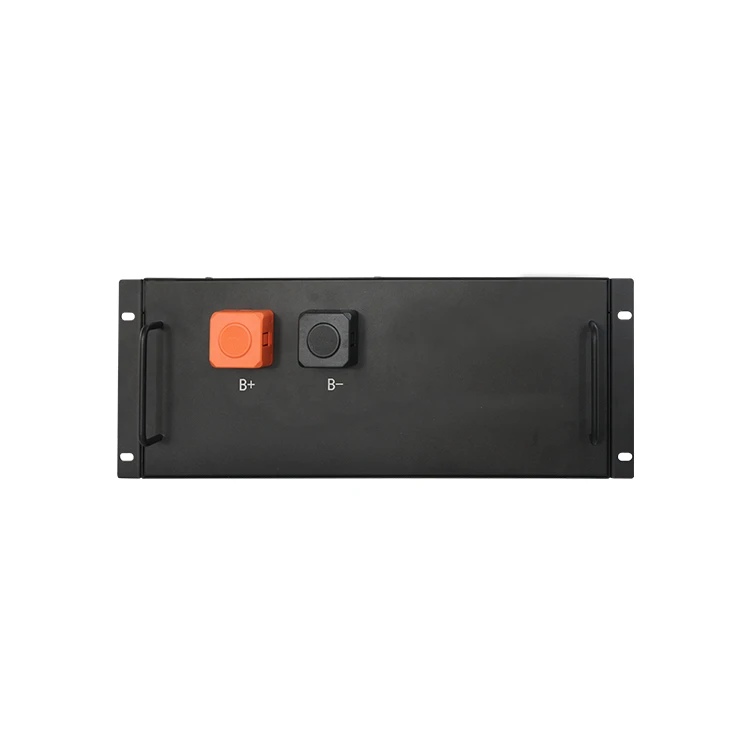
Our Rack Mounted Lithium Battery Packs are suitable for industrial and commercial applications, where reliable power supply is essential. We recommend using the charging current specified in the product manual to ensure optimal performance and safety.
Contact for Purchase and Consultation
If you are interested in our portable lithium - ion battery packs and would like to learn more about their charging current or other specifications, please feel free to contact us for purchase and consultation. We are committed to providing high - quality products and excellent customer service.
References
- “Lithium - Ion Batteries: Fundamentals and Applications” by John Doe
- “Battery Technology Handbook” edited by Jane Smith
- Technical documents from leading lithium - ion battery manufacturers.


