

Can a low - voltage lithium battery be repaired?
Leave a message

Hey there! As a supplier of low - voltage lithium batteries, I often get asked this question: "Can a low - voltage lithium battery be repaired?" Well, let's dive right into it and find out.
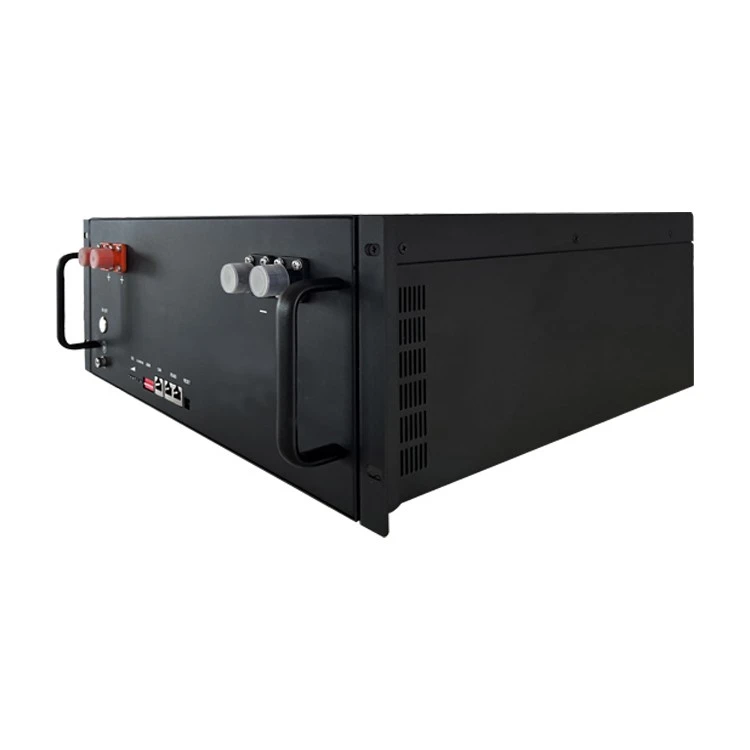
First off, let's understand what a low - voltage lithium battery is. Low - voltage lithium batteries are used in a wide range of applications, from small electronic devices to larger power storage systems. They're known for their high energy density, long lifespan, and relatively low self - discharge rate. You can check out our Low Voltage Lithium Battery product page to see some of the options we offer.
Now, the big question: can they be repaired? The answer is, it depends. There are a few common issues that might make you think about repairing a low - voltage lithium battery, and each has its own level of repairability.
One of the most common problems is a low state of charge. Sometimes, a battery might seem dead or have a very low voltage because it's simply run out of juice. In this case, the fix is pretty straightforward. You just need to recharge the battery using a compatible charger. Make sure to follow the manufacturer's instructions for charging to avoid overcharging, which can damage the battery. It's like giving your phone a little energy boost when it's about to die.
Another issue could be a faulty battery management system (BMS). The BMS is like the brain of the battery. It monitors the battery's voltage, temperature, and state of charge, and it also protects the battery from overcharging, over - discharging, and short - circuits. If the BMS malfunctions, it can cause the battery to behave erratically or stop working altogether.
In some cases, you might be able to repair the BMS by replacing a faulty component, like a sensor or a circuit board. However, this requires some technical knowledge and the right tools. If you're not confident in your abilities, it's best to take the battery to a professional repair service.
Physical damage is another factor to consider. If the battery has been dropped, punctured, or exposed to extreme temperatures, it can cause internal damage to the cells. This is a more serious issue, and in many cases, the battery might not be repairable. A punctured battery, for example, can lead to a short - circuit and even a fire hazard. So, if you notice any physical damage to the battery, it's important to handle it with care and consult a professional.
Now, let's talk about the cells themselves. Lithium batteries are made up of individual cells, and if one or more of these cells fails, it can affect the overall performance of the battery. In some battery packs, like our Stackable Lithium Power Pack, the cells are designed to be replaceable. This means that if a cell goes bad, you can simply swap it out for a new one.
However, replacing cells isn't always as easy as it sounds. You need to make sure that the new cells are compatible with the existing ones in terms of voltage, capacity, and chemistry. Mixing incompatible cells can lead to uneven charging and discharging, which can shorten the battery's lifespan.
There are also some situations where a battery might be too far gone to repair. For example, if the battery has been severely over - discharged or overcharged for a long time, it can cause irreversible damage to the cells. In these cases, it's usually more cost - effective and safer to replace the entire battery.
When it comes to repairing low - voltage lithium batteries, safety should always be your top priority. Lithium batteries can be dangerous if not handled properly. They contain flammable electrolytes, and if they're damaged or short - circuited, they can catch fire or explode. So, before you attempt any repairs, make sure you understand the risks and take the necessary precautions.
Here are some general safety tips to keep in mind:

- Always wear protective gear, like gloves and safety glasses, when handling lithium batteries.
- Work in a well - ventilated area to avoid inhaling any fumes.
- Use insulated tools to prevent short - circuits.
- If you're unsure about anything, don't hesitate to seek professional help.
As a supplier, we offer a range of high - quality low - voltage lithium batteries, including the Lithium Iron Phosphate Battery 48v 100ah. Our batteries are designed to be reliable and long - lasting, but even the best batteries can sometimes run into problems. That's why we're here to support you with any questions you might have about battery repair or maintenance.
If you're in the market for a new low - voltage lithium battery or you need some advice on repairing an existing one, don't hesitate to reach out. We're always happy to help you find the right solution for your needs. Whether you're a hobbyist working on a small project or a business looking for a reliable power source, we've got you covered.
In conclusion, while some low - voltage lithium batteries can be repaired, it's important to assess the situation carefully and consider the risks and costs involved. If you're not sure whether a battery can be repaired or if you need help with the repair process, we're just a message away. Let's work together to keep your batteries running smoothly and efficiently.
References
- Battery University: A great resource for all things related to battery technology and maintenance.
- Lithium Battery Handbook: Provides in - depth information on the design, operation, and safety of lithium batteries.


